Shadow Games in the Arctic: Norway's Coast Guard Monitors Russian Trawler Amidst Rising Tensions
- Feb 23
- 2 min read
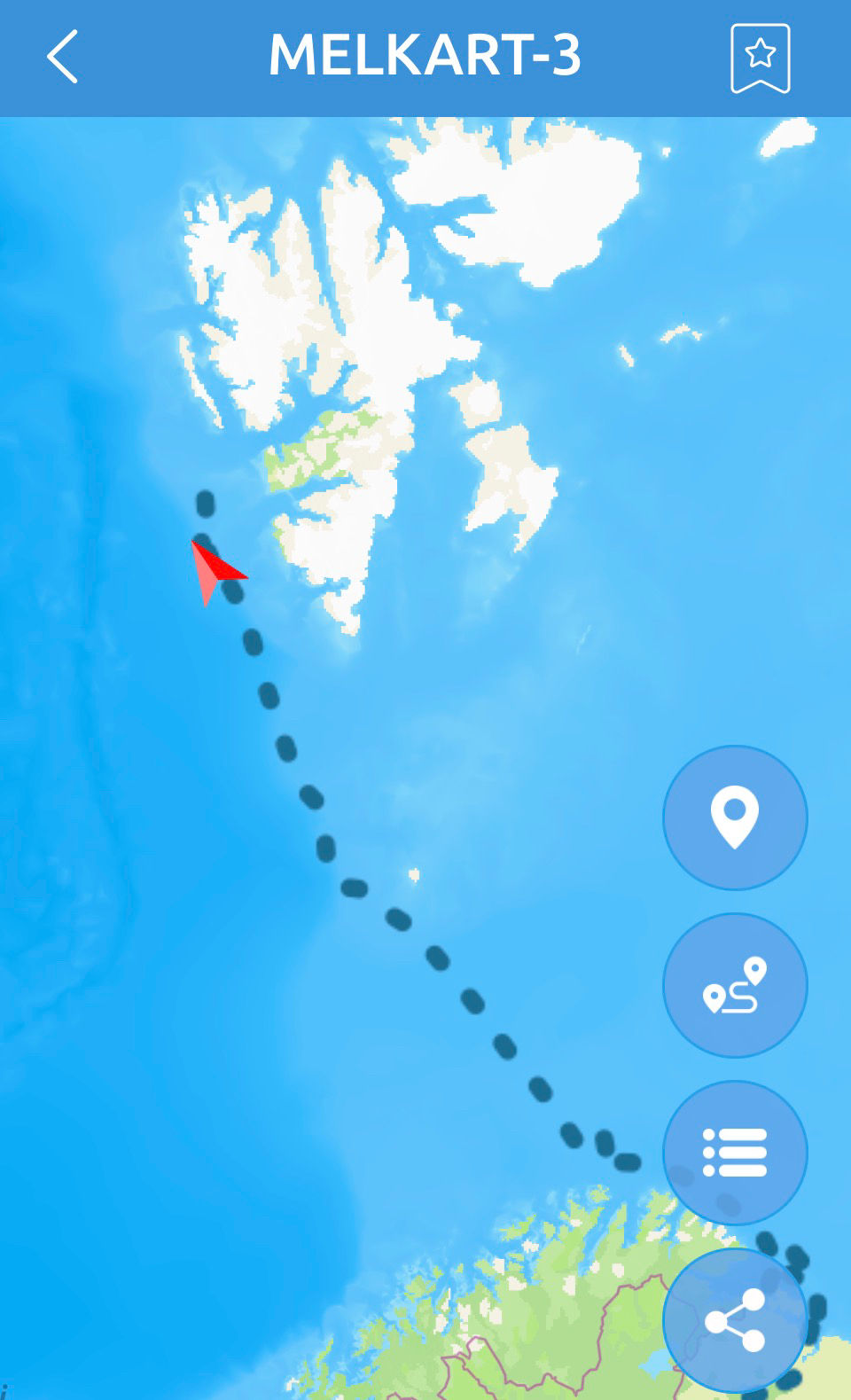
North East Atlantic – February 26, 2026 – The cold, vast waters of the North East Atlantic are once again the stage for a tense geopolitical ballet, as the Norwegian Coast Guard's state-of-the-art patrol vessel, KV Bjørnøya, maintains a close watch on the Russian-flagged fish factory ship, Melkart 3. This isn't just a routine maritime patrol; it's a deliberate and sustained surveillance operation that underscores persistent concerns about Russian activities near critical subsea infrastructure.

The Melkart 3, a trawler with IMO number 8801931, departed its homeport of Murmansk on February 16, 2026. Its presence in the vicinity of Norway's Exclusive Economic Zone and the sensitive waters around Svalbard immediately raised eyebrows among maritime intelligence observers. Why? Because the Melkart 3 and its operating company, Murman Seafood, have a documented history that goes far beyond simply harvesting fish.
A Troubling Track Record
The "scrutiny" surrounding the Melkart 3 is well-founded. In July 2025, Norway, aligning with broader EU sanctions, specifically targeted Murman Seafood for its alleged involvement in "state-sponsored surveillance campaigns." These campaigns are suspected of targeting the very lifelines of modern communication and energy: subsea cables and pipelines.
The most prominent alarm bell was rung by the Melkart 3's sister ship, the Melkart 5. In early 2022, the Melkart 5 exhibited highly unusual navigation patterns, loitering directly over critical subsea fiberoptic cables near Svalbard just prior to reported damage to those very cables. Such incidents have led to heightened vigilance from NATO allies and Arctic nations.
The KV Bjørnøya: A Sentinel in the North
Enter the KV Bjørnøya (IMO 9911692). As one of Norway's newest Jan Mayen-class patrol vessels, it's purpose-built for the rigors of Arctic operations. With advanced sensor suites, an ice-strengthened hull, and capabilities for long-duration missions, the KV Bjørnøya is perfectly equipped for high-priority monitoring. Its current "deliberate surveillance posture" signals that Norwegian authorities are taking the Melkart 3's movements seriously.

More Than Just Fishing
While fishing vessels have the right of innocent passage under international maritime law, the context here is crucial. The sustained shadowing by the KV Bjørnøya is a clear indication that Norway is actively working to mitigate hybrid threats. The concern isn't just about overfishing; it's about ensuring that these vessels are not covertly deploying underwater sensors, mapping the seabed for nefarious purposes, or interfering with vital underwater infrastructure.
As of now, no official statement has been released by either Norwegian or Russian authorities regarding this specific encounter. However, the operational patterns speak volumes. This situation is ongoing, serving as a stark reminder of the delicate balance and strategic importance of the Arctic in an increasingly complex global security landscape.
The North East Atlantic continues to be a frontier where economic interests, sovereign rights, and national security intersect. And for now, the KV Bjørnøya remains a silent, watchful guardian against potential unseen threats beneath the waves.


Comments